IN THEIR OWN WORDSVoices from District 1
"He has not been our representative."
Statements District 1 residents gave us directly, reproduced exactly as written. Start here — everything that follows is the record behind them.
He did not listen to our concerns. He has not been our representative.— Donald H., District 1 resident 3
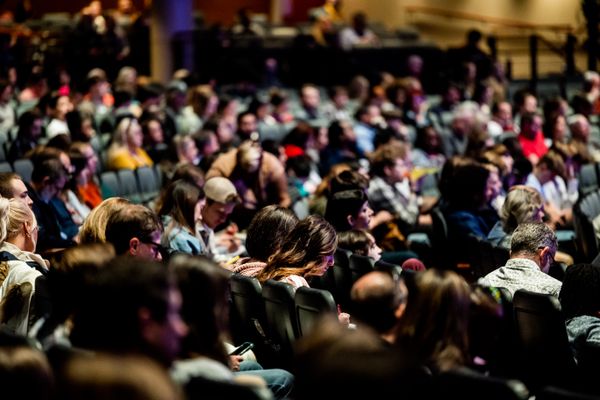
…a wolf in sheep's clothing.— Chevy Chase resident Liz B., handing out flyers at a packed listening session Friedson co-hosted (Bethesda Magazine / MoCo360)21
I don't trust Andrew Friedson to listen to MoCo residents.— Rebecca H., Bethesda resident
"In a nutshell, Friedson totally turned his back on his constituency when he endorsed and pushed for passage of the AHSI and then bold face LIED directly to our faces in a Chevy Chase town meeting by saying he would ALWAYS keep us informed, that nothing was on the agenda for passage, and then turned around a week later and held a news conference announcing More Housing Now. It's easier to trust our current president than Andy Friedson."
Gerald S., District 1 resident
"I don't support Andrew Friedson, because he led the effort to intrude multifamily housing into our single-family neighborhoods, without so much as an adequate investigation of the adequacy of our aging infrastructure to cope with it. He did not listen to our concerns, and the policy he authored allowed developers, who support his candidacy, to join three lots together to construct large apartment buildings, in spite of his earlier assurances to the contrary. He has not been our representative. In contrast, Will Jawando listens to citizens and keeps commitments. He is best qualified to be County Executive."
Donald H., District 1 resident 3
"I don't trust Andrew Friedson to listen to MoCo residents. He betrayed District 1 voters on zoning, parks and bike lane issues in favor of out-of-state interests and will do the same county-wide if elected County Executive. Will Jawando values our input and will work with us, not against, in his stewardship of economic growth."
Rebecca H., Bethesda resident
Andrew Friedson listened to the big money developer interests, and not to the residents of District 1. As a District 1 resident who saw this behavior first-hand, I urge the County residents not to repeat our mistake.— Kevin B., District 1 resident
Andrew Friedson hasn't stood with our neighborhoods on planning and zoning. Instead, he has backed organized development interests.— L., District 1 resident